One of the first decisions South Florida buyers face isn’t where to live — it’s what kind of home to live in. A high-rise condo on A1A, a townhouse near downtown and a single-family home in a golf community all offer very different day-to-day lives, and very different costs. Here’s how to weigh them.
The lifestyle question
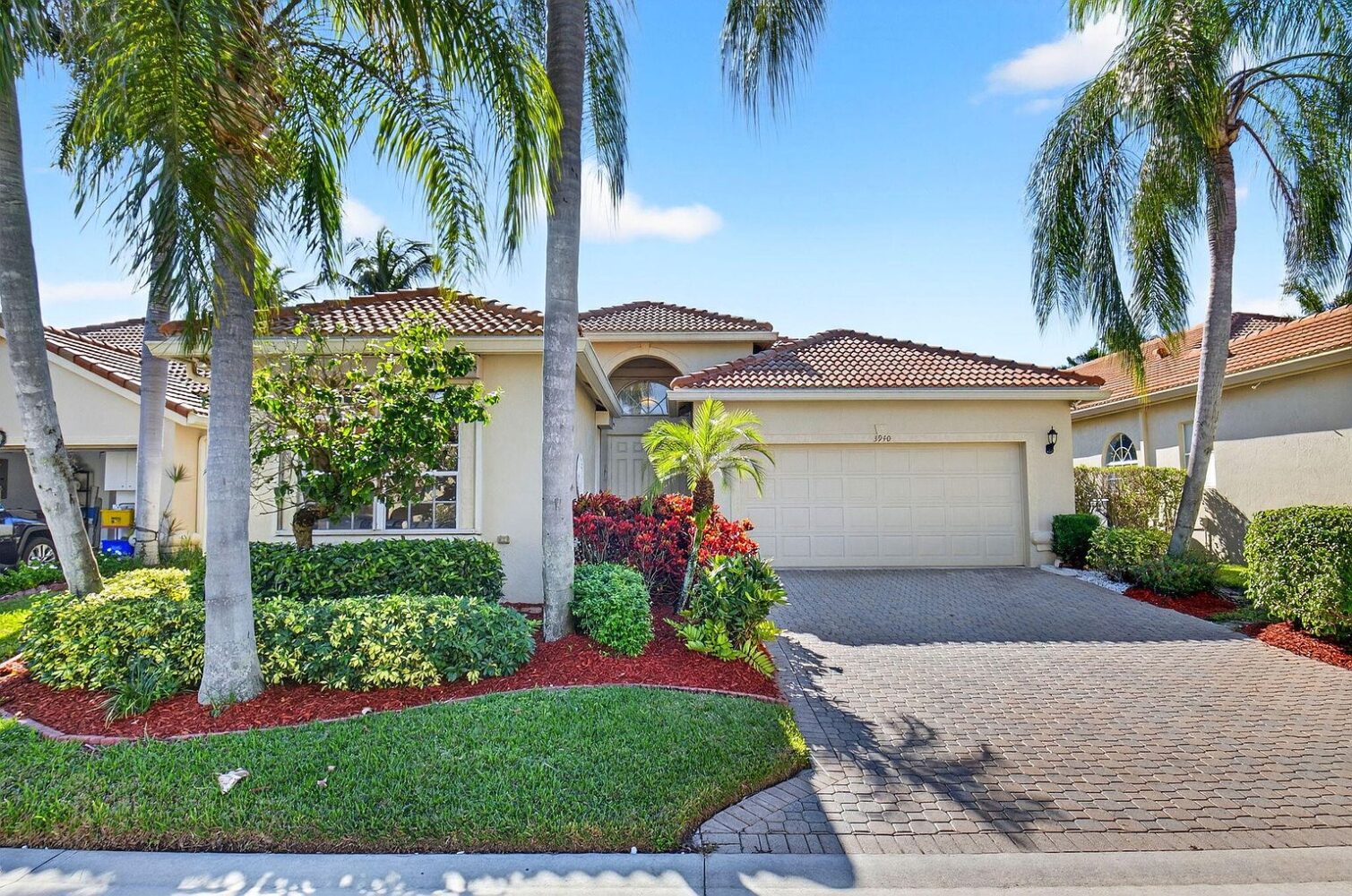
Start with how you actually want to live. Condos are popular with people who want to lock the door and travel, seasonal residents, and anyone who wants the beach, a pool and a gym without maintaining them. Single-family homes suit buyers who want more space, a private yard or pool, room for pets and the freedom to renovate as they please. Townhouses sit in between: more space than most condos, less upkeep than a house.
- Choose a condo if you value amenities, security, walkability and low maintenance.
- Choose a single-family home if you want privacy, outdoor space and control over your property.
- Consider a townhouse if you want a middle ground — often with a small patio and shared community amenities.
Compare the true monthly cost
Comparing list prices alone can be misleading. A condo with a lower price may carry association dues that cover insurance on the building, landscaping, water, cable, amenities and reserves. A single-family home may have lower HOA fees (or none), but you pay for your own roof, exterior, pool and full homeowner’s insurance policy.
When you compare options, add up the mortgage payment, property taxes, insurance, association dues and expected maintenance for each. That figure — not the price — is the number that matters for your budget.
What to check before buying a condo
Florida has strengthened its rules for condominium buildings in recent years, including structural inspection and reserve requirements for many older and taller buildings. That’s good news for safety, but it means due diligence matters more than ever. Before you commit, ask for and review:
- The association’s current budget and reserve funding
- Any structural, milestone or reserve study reports
- Recent board meeting minutes — they often reveal upcoming projects
- Any special assessments that are approved or being discussed
- Rules on rentals, pets, parking, renovations and guest stays
- Whether the association must approve buyers, and how long approval takes
A well-run association with healthy reserves is one of the best signs you can find in a condo purchase. A low monthly fee is not always a bargain if big repairs are coming.
What to check before buying a single-family home
- Roof age and condition — it can affect both your insurance options and your near-term budget.
- Wind mitigation features — impact windows, shutters and roof-to-wall connections can help lower insurance premiums.
- Flood zone and elevation — both affect flood insurance cost and whether a lender requires it.
- HOA rules — many South Florida neighborhoods have an HOA, even for detached homes.
- Pool, seawall or dock condition — if the home has them, have them inspected.
Resale and rental flexibility
If you may rent the home out or sell within a few years, think about flexibility now. Some condo associations restrict rentals or require minimum lease terms, which can limit your options. Single-family homes usually offer more freedom, though HOA communities may have their own rules.
The bottom line
There’s no single right answer — only the right fit for your lifestyle, budget and plans. The best way to decide is to tour both types side by side and compare the full monthly cost of each.
Want help comparing options? Download our free South Florida Buyer’s Guide, browse current listings, or book a free consultation with Lisa.
Have a question about buying or selling?
Lisa is happy to help — no pressure and no obligation.
Talk to Lisa
Leave a Reply